The Complete Guide to Metal Roofing for Pennsylvania Homes
Metal roofing in Pennsylvania has gone from a barn-and-cabin material to one of the smartest upgrades a homeowner can make — and across Berks County we’re fielding more questions about it every year. A quality metal roof can outlast two or three asphalt roofs, shrug off the snow and wind our winters throw at it, and quietly lower your energy bills along the way. It also costs more up front and demands a level of installation skill most roofers simply don’t have. This guide lays out the whole picture honestly, so you can decide whether metal is right for your home.
We’re Red Patch Roofing & Contracting, a veteran-owned company serving Berks County, Pennsylvania. We install both asphalt and metal — and we’ll tell you plainly that metal isn’t the right answer for every house. But when it is, it’s one of the best long-term decisions a homeowner can make, and it has to be installed by someone who knows the material cold.
Why Pennsylvania Homeowners Are Looking at Metal
For decades, residential metal roofing was something you saw on a farm outbuilding, not the family home. That’s changed, and for good reasons that line up well with our climate and housing stock here in eastern Pennsylvania.
It lasts two to three times longer than asphalt. A good architectural asphalt roof lasts 20 to 25 years here. A properly installed metal roof can last 50 years or more — often the last roof you’ll ever buy for that house. Industry educators like the Metal Roofing Alliance point to that longevity as metal’s single biggest advantage.
It handles weather built for our winters. Snow slides off a smooth metal surface instead of piling up. Metal doesn’t absorb water, so the freeze-thaw cycle that punishes other materials doesn’t get a grip on it. And quality metal systems carry excellent wind ratings.
It can lower your energy bills. Metal reflects solar heat rather than soaking it up the way dark asphalt does, which can cut summer cooling costs. Many metal products qualify as reflective “cool roofing” under the EPA’s ENERGY STAR roof products program.
It’s low-maintenance and fire-resistant. No granules to lose, no curling shingles, and metal won’t ignite from an ember — a real consideration on properties near open fields.
The trade-off is cost and complexity, which we’ll get to honestly. But the homeowners who choose metal are usually the ones planning to stay in their homes a long time and wanting to buy a roof once.
The Types of Metal Roofing
“Metal roof” isn’t one thing — it’s a category with meaningfully different systems. Getting the type right for your home matters as much as choosing metal in the first place.
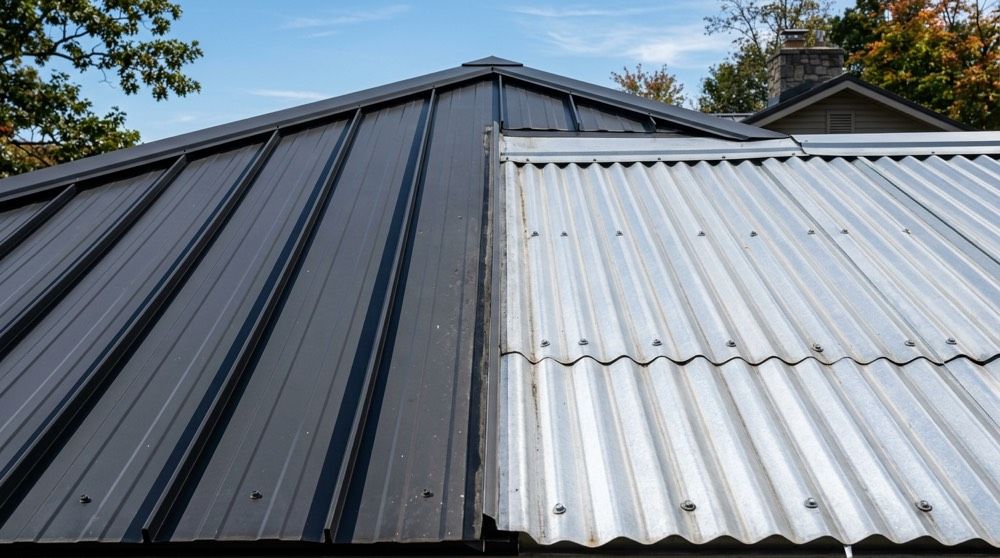
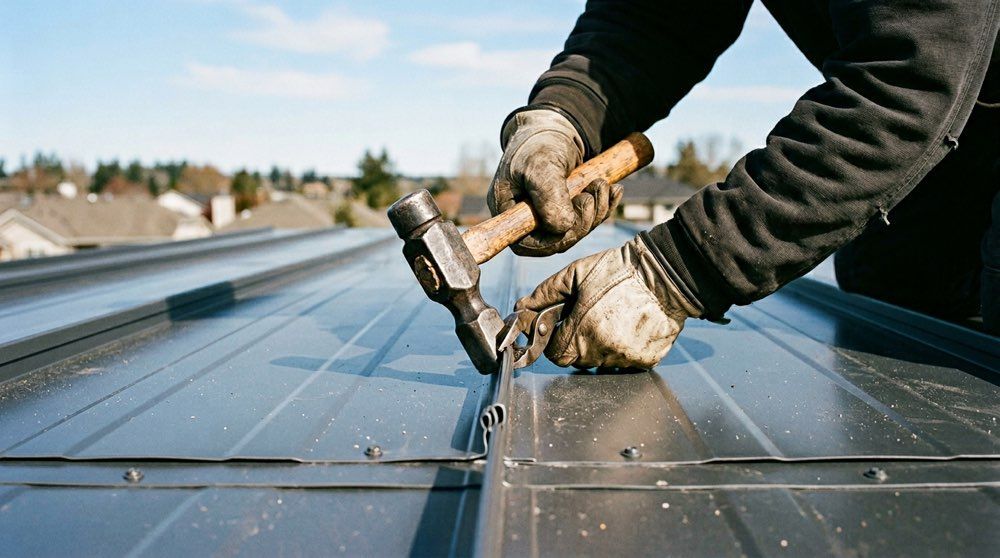
Standing seam is the premium residential metal roof and what most homeowners picture: long vertical panels running from ridge to eave, joined by raised seams that are mechanically locked together. Crucially, the fasteners are concealed — hidden under the seams, never exposed to weather. That’s why a standing seam metal roof lasts so long: there are no exposed screws to back out or leak over time. It’s the system we recommend for most Berks County homes going metal.
Exposed-fastener (corrugated) panels screw directly through the face of the metal into the deck. They cost less and are common on agricultural and outbuildings, but the exposed screws and their rubber washers are wear points that eventually need attention. For a primary residence you plan to keep, the longevity case favors standing seam.
Metal shingles and tiles are stamped to mimic the look of shake, slate, or tile while delivering metal’s durability — a good fit for homeowners who want a traditional appearance with metal performance.
Within those styles, the metal itself varies — steel (the most common and cost-effective for our region), aluminum, and premium options like copper and zinc. For the overwhelming majority of Pennsylvania homes, a quality coated steel standing seam system hits the right balance of performance and value.
Color and finish are part of the decision too. Residential metal roofing comes in a wide range of factory-applied finishes and colors — from classic charcoals, blacks, and grays to deep reds, greens, and bronzes — and the better coatings hold their color for decades without fading. Lighter, more reflective colors lean into the energy-savings benefit; darker, traditional tones suit a more classic look. As with shingles, we’ll show you finish samples against your home’s siding and trim before anything is ordered.
How Metal Roofs Handle Pennsylvania Weather
This is where metal earns its keep in our region, so it deserves a close look.
Snow and ice. A smooth metal surface sheds snow far better than asphalt, which reduces snow load on your structure and dramatically cuts the risk of ice dams — those ridges of ice at the eaves that force meltwater back up under the roofing. The NRCA’s consumer guidance notes that ice dams are most common on lower-slope roofs and around penetrations; metal’s shedding action and our proper underlayment detailing work together against them. One practical note: on a metal roof that sheds snow aggressively, we plan for where that snow lands and add snow retention devices over walkways, doors, and driveways so it comes off safely.
Wind. A correctly installed standing seam system, with its panels mechanically locked and clipped to the deck, carries a strong wind rating — important on the exposed ridgelines and open-field edges common around the county.
Hail. Metal resists puncture from hail well. It can dent in a severe hailstorm — usually cosmetic rather than functional — and many quality metal products carry strong impact ratings. We talk through realistic hail expectations rather than overselling.
Heat and sun. Metal reflects solar radiation instead of absorbing it. Combined with proper attic ventilation, that reflectivity keeps attics cooler in summer and takes load off your air conditioning.
The thread running through all of it: metal’s weather performance is real, but it depends entirely on correct installation. A metal roof installed poorly fails in exactly the conditions it should excel in.
What a Metal Roof Costs — and How It Pays You Back
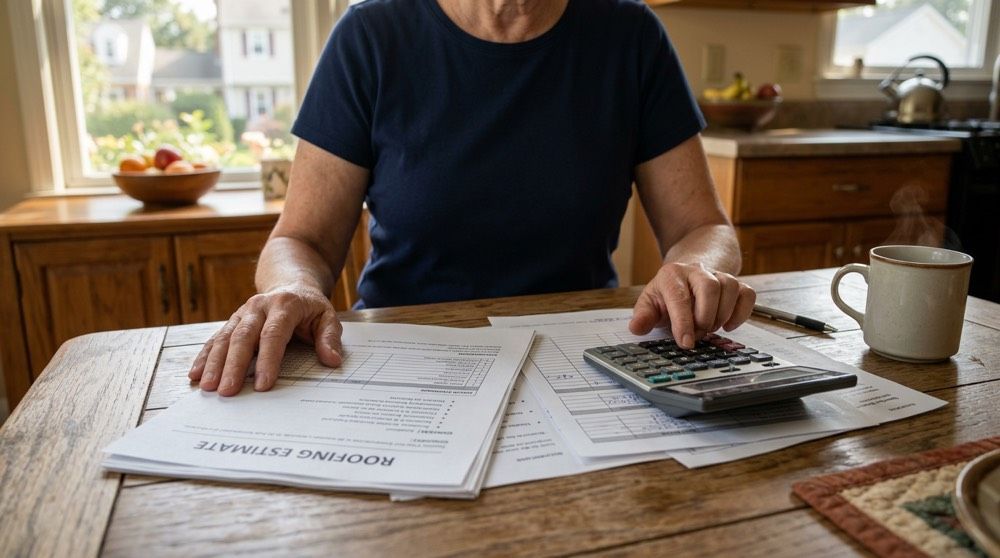
Let’s be direct about the number that’s on your mind: a metal roof costs more up front than asphalt — commonly two to three times the price of a standard asphalt roof, depending on the system, the metal, and your roof’s complexity. Anyone quoting metal sight-unseen is guessing, because panel runs, roof geometry, and trim details drive the price.
Here’s the other half of the equation, which the sticker price alone misses — how a metal roof pays you back over the time you own it:
- It replaces two to three asphalt roofs. Over 50 years, one metal roof versus three asphalt re-roofs changes the math considerably.
- Energy savings add up. Reflective metal can reduce summer cooling costs year after year; that’s the value behind the ENERGY STAR cool-roof designation many metal products carry.
- It can help at resale. A long-life roof that the next owner won’t have to replace is a genuine selling point.
- Some insurers offer discounts for impact-resistant or fire-resistant roofing — worth asking your carrier about.
For homeowners who plan to stay, the lifetime cost of a metal roof often comes out ahead of repeated asphalt replacements. For someone planning to sell in three years, asphalt usually makes more financial sense. We’ll help you run that comparison honestly rather than pushing the bigger ticket.
Financing is available for metal projects, which lets homeowners capture the long-term value without paying the full premium up front.
Metal vs. Asphalt: How to Choose
Most of our conversations come down to this decision, and there’s no single right answer — it depends on your home, your timeline, and your budget.
Metal makes the most sense when you plan to stay in the home long-term, you want to buy a roof once, you value the weather performance and energy savings, or your roof’s design suits clean panel lines. Asphalt usually wins when budget is the deciding factor, you may sell within a few years, or your roof is highly complex in ways that drive metal’s labor cost up sharply. A quality architectural asphalt roof is still an excellent, proven choice — it’s what goes on most of the homes we work on.
What we won’t do is pretend metal is right for everyone to land a bigger sale. If asphalt is the smarter buy for your situation, we’ll tell you, and we’ll point you to our roof replacement guide for that path instead.
What to Expect When You Get a Metal Roof Installed
A metal roof installation runs differently from an asphalt job, and knowing the rhythm of it helps set expectations.
It generally takes longer than an asphalt re-roof — often several days rather than one or two — because the panels are measured, fabricated to your roof’s exact dimensions, and installed with a precision that can’t be rushed. Many standing seam panels are roll-formed to length specifically for your home, so there are no horizontal seams running across the roof to become future weak points.
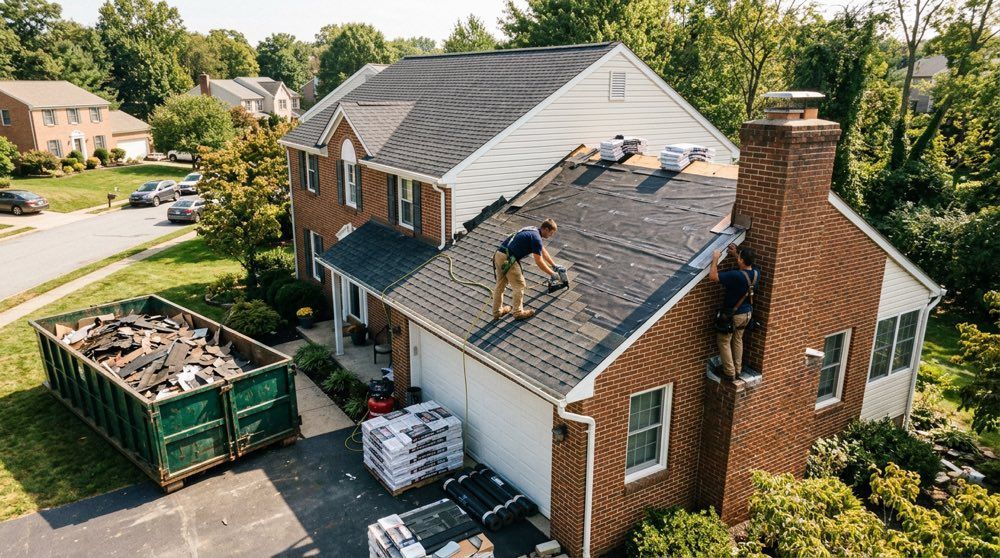
The sequence is familiar in outline: we protect the property below, tear off the old roofing down to the deck, repair any damaged decking, and install a high-temperature underlayment suited to metal. Then the panels go on from the eave up, the seams are mechanically locked, and the flashings, ridge, and trim details — the parts that actually determine whether a metal roof leaks — are fabricated and fitted with care. Where the roof sheds snow onto walkways or entries, we add snow retention so it comes down safely rather than all at once.
You can stay in your home during the work, and as with every project, cleanup is part of the job: a full magnetic nail sweep of the property and complete haul-away. If weather interrupts, we never leave your home exposed — the roof is dried-in and protected before the crew leaves for the day, and work resumes when conditions are safe.
Why Installation Is Everything With Metal
Here’s the part of the metal conversation that matters most, and it’s the one homeowners hear least about.
Metal roofing is a different trade than shingles. It involves precise panel fabrication, mechanical seaming, careful planning for thermal expansion and contraction, and flashing details that don’t forgive guesswork. The result of doing it right is a roof that lasts half a century. The result of doing it wrong is oil-canning, leaks at the seams and penetrations, and fasteners that fail early.
The plain truth is that most roofers don’t install metal — and many who say they do treat it like shingle work with metal panels. That’s exactly why metal-roof failures so often trace back to the installer rather than the product. That's why installation quality matters as much as the material itself.
Choosing a metal roofing contractor in Pennsylvania really comes down to proven, specific experience: how many standing seam systems they’ve installed, whether they fabricate their own flashings, and whether they can show you finished metal roofs nearby. A contractor who installs metal occasionally is not the same as one who installs it routinely — and on a roof meant to last 50 years, that difference is the entire investment.
A metal roof is only as good as the hands that put it on. The material can last 50 years; whether yours does is decided on installation day.
Why Choose Red Patch for Your Metal Roof
We’re one of the relatively few Berks County roofers who install metal — and who install it properly, as a deliberate skill rather than a side offering. When you’re investing in a roof meant to last half a century, the installer’s competence is the whole game.
Our founder, Sam Kensinger, served three tours with the 82nd Airborne before coming home and starting this company. The standards from that — precision, doing it to spec, and standing behind the work — are exactly what metal roofing demands. We’re a local company with a local reputation, not a regional outfit that shows up after a storm and disappears.
And we back our work the way a serious installer should: every roof we install, asphalt or metal, carries a 15-year labor warranty — far beyond the one or two years that’s standard in the industry. On a roof built to last 50 years, that’s the kind of commitment you should expect from whoever installs it.
Is a Metal Roof Worth It for Your Home?
After all the detail, it comes down to a simple framing: a metal roof is a buy-it-once decision. The higher up-front price buys a roof that, properly installed, you likely never replace — versus asphalt, which you’ll re-roof two or three times over the same span. When you stack the lifetime cost of one metal roof against repeated asphalt replacements, plus the energy savings along the way, the gap narrows far more than the sticker prices suggest, and for long-term owners it often closes entirely.
Metal is also the more sustainable choice. Steel roofing typically contains a high percentage of recycled content and is itself fully recyclable at the end of its long life, rather than heading to a landfill the way torn-off asphalt shingles do. And because a metal roof will outlast rooftop solar panels rather than needing replacement underneath them, it’s a sound foundation if solar is anywhere in your long-term plans.
So is it worth it? For the homeowner planning to stay, who wants to stop thinking about their roof for good and values the weather performance and energy savings — yes, metal is very often worth it. For the homeowner on a tighter budget or planning to move within a few years, a quality architectural asphalt roof remains the smart, proven choice, and the math there is nothing to apologize for. What matters is making the decision with the full picture in front of you, and choosing an installer who can actually deliver on metal’s promise.
Frequently Asked Questions
How long does a metal roof last in Pennsylvania?
A properly installed standing seam metal roof can last 50 years or more in our climate — often two to three times the life of an asphalt roof. Longevity depends heavily on the quality of the installation, which is why choosing an experienced metal installer matters so much.
Is a metal roof noisy when it rains?
This is the most common worry, and it’s largely a myth for modern residential metal roofs. Installed over a solid deck with underlayment and proper attic insulation, a metal roof is no louder inside than asphalt. The “rain on a tin roof” sound comes from metal over open framing, like a barn or carport.
Will a metal roof make my house hotter in summer?
No — the opposite. Metal reflects solar heat rather than absorbing it the way dark asphalt does, which can reduce summer cooling costs, especially with proper attic ventilation.
Can I put a metal roof over my existing shingles?
In some cases, yes — but it depends on your roof’s condition and local code, and it’s a decision that affects long-term performance. We assess each roof individually rather than applying a blanket rule.
Does Red Patch install metal roofs, or just asphalt?
We install both. Metal is a deliberate part of what we do, handled with the specialized skill the material requires — not a side service we tack on.
How much more does a metal roof cost than asphalt?
A metal roof commonly runs two to three times the price of a standard asphalt roof up front, depending on the system, the metal, and your roof’s complexity. The reason it can still be the better value is lifespan: one metal roof typically outlasts two or three asphalt roofs, and the energy savings add up over the years you own it. We’ll run that lifetime comparison with you honestly before you decide.
Ready to Talk About a Metal Roof?
If you’re weighing metal roofing for your Pennsylvania home, the smart first step is an honest conversation with a roofer who installs both metal and asphalt and will tell you which one actually makes sense for your house, your timeline, and your budget.
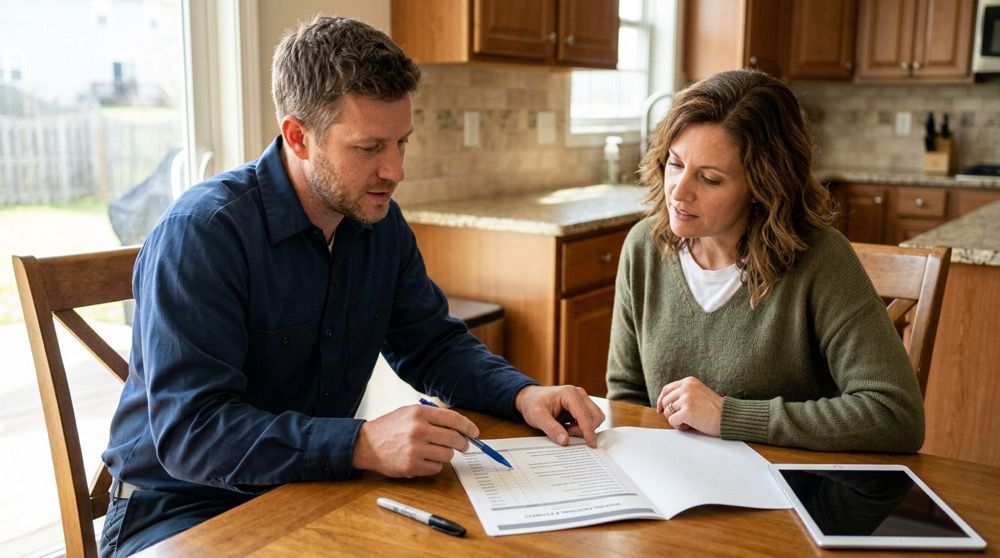
Schedule your free roof consultation and estimate. We’ll look at your roof, walk you through your options, and give you a clear, itemized quote — backed by our 15-year labor warranty in writing.
Sam Kensinger is the founder of Red Patch Roofing & Contracting, a veteran-owned roofing company serving Berks County, Pennsylvania. A combat veteran of the 82nd Airborne Division with three tours in Afghanistan, Sam built Red Patch on the standards he carried home from service: do the work right, document everything, and stand behind it. Red Patch installs Owens Corning Duration and GAF Timberline HDZ shingles and backs every roof with a 15-year labor warranty.
Recent Posts